

Cluster Computing in Cloud Computing: Your Complete Guide
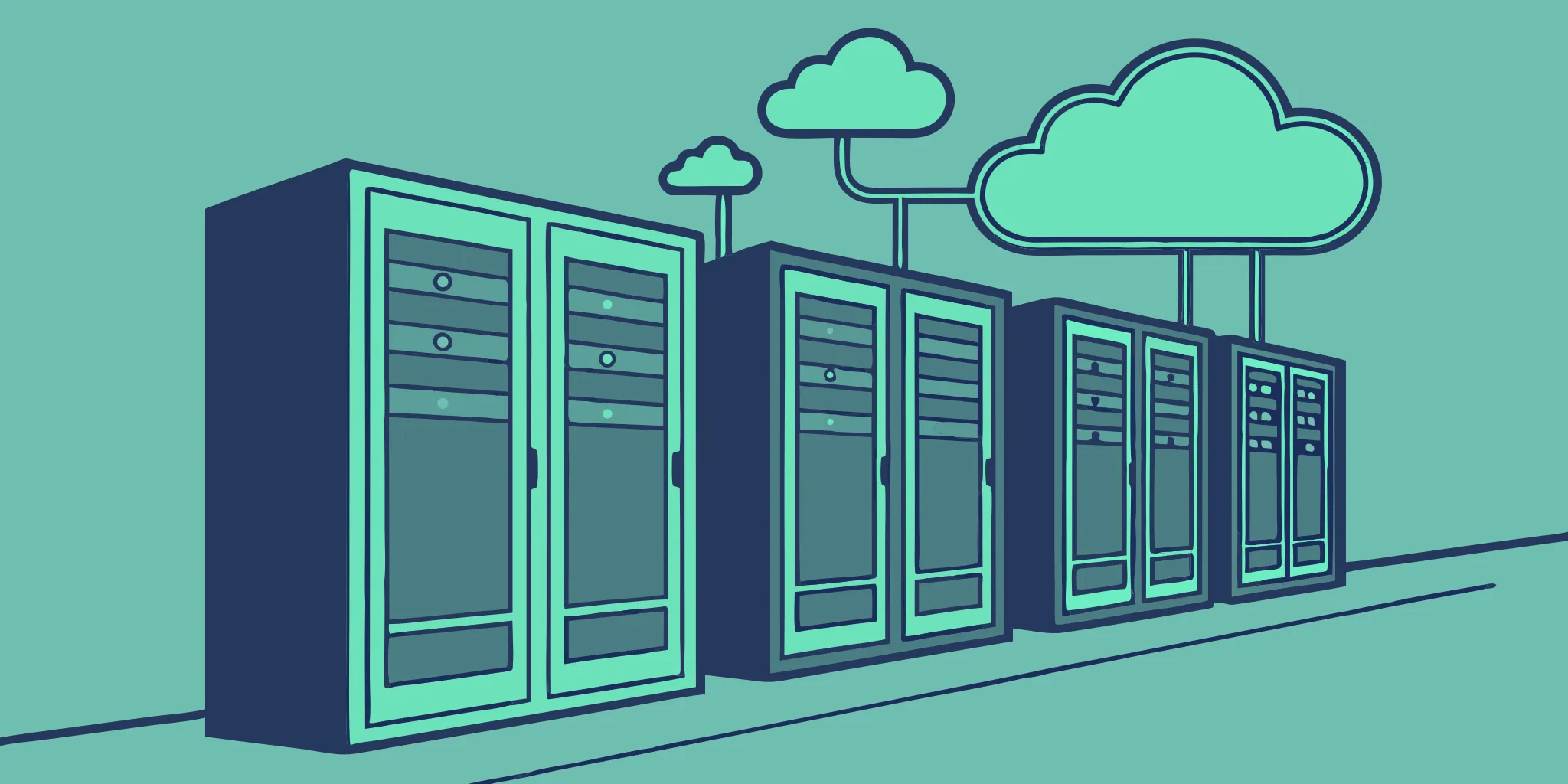
Get a clear, practical overview of cluster computing in cloud computing, including benefits, types, and steps to build a reliable, scalable system.
Your data pipelines are brittle, and your cloud bills are out of control. You’re paying massive ingest fees just to move raw data into centralized platforms where it’s expensive to store and process. This model is unsustainable. Cluster computing offers a fundamentally different approach. By distributing workloads across multiple machines, you can process, filter, and reduce data at the source, slashing data transfer and storage costs. The role of cluster computing in cloud computing is not just about scaling up, but about scaling smart—running jobs in the right place, at the right time, to regain control over your infrastructure and your budget.
Key Takeaways
- Distribute Workloads to Overcome Single-Server Limits: Instead of relying on one expensive machine, cluster computing connects multiple computers to work in parallel. This approach provides the speed and resilience needed for large-scale data processing and AI applications.
- Choose the Right Cluster Architecture for the Job: Not all clusters are the same. Select a high-availability cluster for critical services that can't go down, a high-performance cluster for complex analytics, or an edge cluster for real-time processing at the source.
- Process Data Intelligently to Reduce Cost and Complexity: Address common challenges by running computations where your data lives. This strategy minimizes network dependency, strengthens security, and significantly lowers spending on data transfer and centralized platforms.
What Is Cluster Computing?
Imagine you have a computational task so large that a single computer would take days to complete it, or simply couldn't handle it at all. Instead of relying on one massive, expensive machine, you could connect a group of individual computers over a fast network and have them work on the problem together. In essence, that’s cluster computing. It’s a method where multiple computers, or nodes, are linked to function as a single, more powerful system.
This approach allows organizations to tackle complex problems by distributing the workload across many machines. The result is a system with significantly more processing power, memory, and storage capacity than any single computer could offer. It also introduces a higher degree of reliability. If one computer in the cluster fails, the others can continue working, preventing a complete system shutdown. This architecture is the foundation for many of the large-scale data processing and analytics platforms that businesses rely on to handle everything from financial modeling to real-time log analysis. As IBM explains, these computers work on tasks together as if they were one cohesive unit.
The Core Components
A computing cluster isn't just a random assortment of machines; it's a coordinated system with specific roles for each part. Think of it like a well-organized project team. At its core, a cluster has three main components working in harmony.
First, you have the computing nodes. These are the individual computers that act as the workhorses of the cluster, performing the actual data processing and calculations. Next is the leader node, sometimes called a master node. This computer acts as the project manager, receiving tasks, breaking them down, and assigning them to the various computing nodes. Finally, a load balancer often serves as the traffic cop, distributing incoming requests evenly across the nodes to ensure no single machine gets overwhelmed. According to AWS, this structure allows the cluster to act as a single, efficient system.
Cluster vs. Traditional Computing
In a traditional computing setup, you typically rely on a single, powerful server to handle all tasks. This centralized approach is straightforward, but it has its limits. All your processing power is concentrated in one place, creating a performance bottleneck and a single point of failure. If that one server goes down, everything grinds to a halt.
Cluster computing offers a fundamentally different model. Instead of putting all your eggs in one basket, you distribute the workload across multiple interconnected machines. This parallel approach not only provides a massive increase in processing power but also builds in resilience. If one node in the cluster fails, the others can pick up the slack, ensuring your critical operations continue without interruption. This makes cluster computing a far more scalable and reliable solution for handling demanding, enterprise-level workloads.
Why It Matters for Modern Data
The sheer volume and velocity of data that companies manage have made cluster computing essential. A single machine simply can't keep up with the demands of big data analytics, artificial intelligence, and complex scientific simulations. These applications require the ability to process massive datasets quickly and efficiently, which is exactly what clusters are designed to do.
By pooling the resources of many computers, this architecture provides the high performance and flexibility needed to run sophisticated algorithms and models. It’s the core technology that powers everything from the cloud services you use daily to advanced Edge Machine Learning applications that process data right at the source. Without cluster computing, many of the technological advancements that define modern business and research would be impossible to achieve at scale.
How Does Cloud-Based Cluster Architecture Work?
A cloud-based cluster isn't just a group of computers working in the same room; it's a sophisticated system where individual machines, or "nodes," collaborate to function as a single, powerful entity. This architecture is designed to manage resources, distribute tasks, handle communication, and enforce security seamlessly. Let's break down how these core functions come together to create a resilient and efficient computing environment.
Managing Resources
At its heart, cluster computing is a form of distributed computing where multiple computers are connected over a network to tackle the same task. Think of these connected computers, called nodes, as members of a highly efficient team. Instead of one person trying to do all the work, the job is shared among the group. These nodes are typically linked by a local area network (LAN) or a wider network, allowing them to share resources like processing power and memory. This collective approach allows the cluster to act as a single, cohesive system with far more power and resilience than any individual machine could offer on its own.
Distributing Workloads
One of the primary jobs of a cluster is to intelligently spread incoming tasks across its various nodes. This process, known as load balancing, prevents any single computer from becoming a bottleneck. When a request comes in, the system assigns it to the most available node, ensuring smooth and continuous operation. This is essential for demanding applications like large-scale log processing or managing high-traffic websites. By distributing the workload, clusters maintain high performance and availability, even when faced with a massive volume of tasks. It’s a smart way to ensure that your operations keep running without a hitch.
Handling Network Communication
For a cluster to function as one unit, its components must communicate flawlessly. This is managed by a few key players. First, you have the computing nodes, which are the individual computers doing the heavy lifting. Then there's a leader node (sometimes called a master node) that acts as the conductor, receiving requests and assigning tasks to the other nodes. Finally, a load balancer serves as the traffic director, ensuring that work is spread evenly across all the computing nodes. This organized communication structure is what allows the cluster to coordinate complex jobs and deliver results quickly and efficiently.
Applying Security Protocols
In a distributed environment, security can't be an afterthought. A robust cluster architecture implements a unified security and identity management program that works across all nodes, whether they are in a private data center or a public cloud. This ensures that only authorized users can access data and that all actions are properly authenticated. For enterprises dealing with sensitive information, this is non-negotiable. By applying consistent security and governance rules across the entire infrastructure, you can protect data, maintain compliance with regulations like GDPR and HIPAA, and operate with confidence.
What Are the Main Types of Computing Clusters?
Computing clusters aren't a one-size-fits-all solution. The architecture you choose depends entirely on the problem you're trying to solve. Are you focused on keeping a critical service online 24/7, or are you trying to process petabytes of research data as quickly as possible? Understanding the primary types of clusters is the first step in designing a system that meets your specific business goals for performance, reliability, and cost-efficiency. Each type is engineered for a different purpose, from managing web traffic to running complex AI models at the edge.
Load-Balancing Clusters
Think of a load-balancing cluster as the ultimate traffic director for your applications. When user requests flood in, these clusters distribute the workload evenly across multiple servers. This prevents any single machine from becoming a bottleneck, ensuring a smooth and responsive experience for everyone. According to GeeksforGeeks, they are designed to spread out incoming tasks and are commonly used for hosting websites and other high-traffic services. For any enterprise running a customer-facing portal or a critical internal application, this type of cluster is fundamental for maintaining performance and preventing service degradation during peak usage times. It’s all about creating a stable and predictable environment for your users.
High-Availability (HA) Clusters
When downtime is not an option, high-availability (HA) clusters are your safety net. Their entire purpose is to ensure your critical services remain operational, even if a server or component fails. These clusters work by having redundant nodes ready to take over instantly, providing seamless failover with minimal to no disruption. This design is essential for business-critical systems in finance, healthcare, and government, where continuous operation is a matter of compliance and revenue. As experts at GeeksforGeeks note, HA clusters have backup computers ready to go, ensuring important services keep running without interruption. This architecture is the foundation for building resilient systems that meet stringent service-level agreements (SLAs).
High-Performance Computing (HPC) Clusters
For tackling massive computational challenges, high-performance computing (HPC) clusters are the go-to solution. These clusters link numerous processors into a powerful, cohesive network designed for parallel processing. This allows them to analyze enormous datasets and run complex simulations at incredible speeds. As IBM explains, HPC clusters are built to quickly analyze big data for demanding tasks like diagnosing diseases or running financial risk models. For data scientists and engineers, this means getting answers in hours instead of weeks. Whether you're training a machine learning model or processing genomic sequences, an HPC cluster provides the raw power needed to drive innovation and gain a competitive edge from your data.
Storage Clusters
As data volumes continue to explode, managing it all becomes a significant challenge. Storage clusters address this by creating a single, unified storage system from multiple individual nodes. This approach provides a highly available and scalable pool of storage that can be accessed by other clusters or applications. The core benefit is data redundancy and resilience; if one storage node fails, your data remains safe and accessible on other nodes in the cluster. This architecture is key to building a reliable data foundation that can grow with your organization's needs. It ensures that your data is not only protected but also consistently available for analytics, processing, and other business-critical functions, as noted in Wikipedia's overview.
Edge Computing Clusters
Not all data processing should happen in a centralized cloud. Edge computing clusters are designed to operate at the network's edge, closer to where data is generated—whether that's on a factory floor, in a retail store, or on a fleet of vehicles. By processing data locally, these clusters dramatically reduce latency and network strain. This is critical for applications that require real-time responses, like industrial IoT monitoring or autonomous systems. As Seeed Studio highlights, this approach is crucial for real-time processing. For global enterprises, edge clusters also help solve data residency and compliance challenges by keeping sensitive information within specific geographic boundaries, enabling powerful edge machine learning use cases.
The Benefits of Using a Computing Cluster
When you’re dealing with massive datasets and complex computations, relying on a single, powerful machine eventually hits a wall. It becomes too slow, too expensive, and too risky. This is where computing clusters change the game. Instead of scaling up with one giant, costly server, you scale out by connecting multiple machines to work together as a single, cohesive system.
This distributed approach isn't just a technical detail; it's a strategic advantage. It allows you to process information faster, handle unpredictable workloads, and build more resilient systems without breaking your budget. For data leaders, this means moving from constantly fighting fires in brittle data pipelines to delivering reliable, timely insights to the business. By distributing the work, you gain a level of performance and flexibility that’s simply not possible with traditional, centralized infrastructure. This is a core reason why organizations choose Expanso to modernize their data architecture. You get the power of a supercomputer with the economics and reliability of a distributed network.
Gain Performance and Scalability
The primary benefit of a computing cluster is its ability to tackle large tasks with incredible speed. Instead of one machine working through a problem step-by-step, a cluster divides the job into smaller pieces and assigns them to multiple nodes to work on simultaneously. This parallel processing dramatically cuts down the time it takes to get results. For enterprises, this means you can run complex analytics, train machine learning models, or complete massive log processing jobs in a fraction of the time. As your data grows, you can simply add more nodes to the cluster to handle the increased load, ensuring your performance keeps pace with your business needs.
Reduce Operational Costs
Building a system with the power of a supercomputer doesn't have to come with a supercomputer-sized price tag. Computing clusters are typically built using commodity hardware—standard, off-the-shelf computers that are much more affordable than a single, high-end mainframe. This approach significantly lowers your initial investment. Furthermore, by distributing workloads efficiently, you maximize the use of your existing resources, preventing the kind of over-provisioning that leads to inflated cloud bills. This cost-effective model allows you to achieve high-performance computing while maintaining better control over your IT budget.
Increase System Reliability
In a traditional single-server setup, if that one machine fails, everything grinds to a halt. Clusters are inherently more resilient because they eliminate this single point of failure. If one node in the cluster goes down due to a hardware issue or software glitch, the other nodes simply pick up its workload. This concept, known as high availability, ensures your critical applications and data pipelines keep running without interruption. For businesses that depend on 24/7 operations, this built-in fault tolerance provides the stability and peace of mind needed to operate with confidence, backed by strong security and governance protocols.
Use Resources More Efficiently
Clusters are designed to be smart about how they use computing power. A central manager, or scheduler, keeps track of the workload on each node and distributes tasks evenly across the entire system. This load balancing prevents any single machine from becoming a bottleneck, which ensures the whole cluster runs smoothly and efficiently. By making sure no compute cycles go to waste, you get the maximum performance out of the hardware you’re paying for. This efficiency is key to running large-scale operations without performance degradation or unnecessary costs.
Support Geographic Distribution
For global enterprises, data doesn't live in one place—and neither should your compute. Clusters can be distributed across different data centers, cloud regions, or even edge locations. This geographic distribution is essential for meeting data residency requirements like GDPR, where data must be processed within a specific country. It also brings computation closer to your users or data sources, reducing latency and improving application performance. This flexibility is critical for building modern, compliant, and responsive systems, especially for use cases like edge machine learning where data is generated far from a central cloud.
Scale Dynamically
Business needs are rarely static. You might need massive computing power to handle month-end reporting but far less during a quiet week. Clusters offer the elasticity to adapt to these fluctuations. You can dynamically add more nodes to the cluster to handle peak demand and then remove them when they’re no longer needed. This ability to scale on demand means you only pay for the resources you actually use, providing a level of agility that’s impossible with fixed infrastructure. It allows your systems to grow and shrink right alongside your business requirements.
How to Implement and Manage a Computing Cluster
Putting a computing cluster into production is more than just a technical setup—it's a strategic initiative that requires careful planning and continuous oversight. A successful implementation involves thinking through your specific needs, building a secure foundation, and preparing your team for new ways of working. By breaking the process down into manageable steps, you can build a powerful, efficient, and reliable cluster that serves your business goals without creating unnecessary complexity or cost overruns. The key is to approach it methodically, from initial design to daily operations. Let's walk through the essential stages for getting your cluster up and running smoothly.
Plan and Assess Your Requirements
Before you write a single line of code or provision any hardware, the first step is to clearly define what you need the cluster to do. Designing an efficient system is like detective work; you have to work backward from your use cases to figure out the right architecture and resources. Are you running complex AI models, processing massive log files, or powering a distributed data warehouse? Each scenario has different demands for compute, memory, and storage. Taking the time to map out these requirements helps you build a purpose-built solution that meets your needs without overspending on resources you won’t use.
Ensure Security and Compliance
Security can't be an afterthought—it needs to be woven into the fabric of your cluster from the very beginning. For enterprises in regulated industries like finance and healthcare, this is especially critical. Start by establishing a unified security framework that covers identity management, access control, and data encryption across all nodes, whether they are on-premise or in the cloud. Implementing a strong security and governance program ensures that only authorized users can access sensitive data and that your operations remain compliant with standards like GDPR and HIPAA. This proactive approach protects your data and prevents costly compliance issues down the road.
Optimize for Performance
Once your cluster is running, the goal is to get the best possible performance without breaking the budget. This is an ongoing balancing act. True cloud optimization involves continuously monitoring your workloads and adjusting resources to match actual demand. By analyzing usage patterns, you can identify and eliminate waste, ensuring you only pay for the resources you truly need. This process of right-sizing your environment not only lowers costs but also improves overall efficiency, allowing your critical applications to run faster and more reliably. It’s about making your infrastructure work smarter, not just harder.
Monitor Resources and Usage
You can't effectively manage what you can't see. That's why comprehensive monitoring is essential for maintaining a healthy and efficient computing cluster. You need robust cluster management tools to keep a close eye on key metrics like CPU, memory, network I/O, and storage consumption across every node. This visibility allows you to spot performance bottlenecks before they become critical problems, anticipate hardware failures, and make data-driven decisions about when and how to scale your resources. Good monitoring provides the insights you need to ensure stability and optimize performance proactively.
Schedule Tasks Effectively
An effective job scheduler is the brain of your cluster, intelligently allocating resources to keep everything running smoothly. When multiple jobs are competing for resources, a scheduler acts as the traffic controller, prioritizing tasks and assigning them to available nodes. Specialized tools like SLURM are designed to manage these complex workflows, figuring out what resources each job needs and queuing them up efficiently. This automation prevents resource conflicts, maximizes hardware utilization, and ensures that your most critical workloads are processed without delay. It’s a key component for achieving high throughput and efficiency.
Prepare Your Team
The most advanced technology is only as good as the people who use it. Shifting to a cluster computing environment often requires new skills and workflows, so it’s vital to prepare your team for the change. Investing in training and clear documentation helps your engineers and data scientists get comfortable with the new infrastructure and tools. Successful adoption hinges on good change management, which ensures everyone understands the benefits and knows how to leverage the cluster's capabilities. When your team is confident and well-equipped, you’ll be able to realize the full value of your investment.
Integrating Advanced Technologies
Cluster computing is more than just a way to organize servers; it’s the engine that drives some of the most significant advancements in technology. When you need to process massive datasets, run complex simulations, or ensure your services are always online, a single machine just won’t cut it. By linking multiple computers together, you create a powerful, resilient system that can handle demanding tasks and adapt to changing needs. This approach is fundamental to building modern, scalable applications.
For large organizations, integrating cluster computing isn't just about gaining more processing power. It's about creating a flexible foundation for innovation. Whether you're training AI models, building a hybrid cloud that spans on-premise data centers and public clouds, or processing data at the edge, clusters provide the necessary architecture. They allow you to manage distributed resources as a unified whole, which simplifies operations and helps control costs. With the right distributed computing solutions, you can run workloads where it makes the most sense—whether that’s for performance, cost, or compliance reasons—without re-architecting your entire pipeline. This adaptability is key to staying competitive and making the most of your data.
Powering AI and Machine Learning
Artificial intelligence and machine learning models require an immense amount of computational power, especially during the training phase. These programs learn by processing vast datasets, and a single computer would take an impractical amount of time to complete the task. Clusters provide the massive, parallel processing strength needed to train these complex systems efficiently. By distributing the training workload across multiple nodes, you can significantly reduce the time it takes to develop and refine models.
This is especially critical when working with sensitive or geographically distributed data. Instead of moving petabytes of data to a central location for processing, a distributed computing approach allows you to train models directly where the data resides. This method not only improves performance but also helps you comply with data residency regulations, making it possible to build powerful edge machine learning applications without compromising on security or governance.
Building a Hybrid Cloud Architecture
A hybrid cloud strategy offers the best of both worlds, combining the security of private infrastructure with the scalability of the public cloud. However, managing workloads across these different environments can be complex. Cluster computing provides the architectural consistency needed to create a seamless hybrid environment. It allows you to manage on-demand compute resources and maintain a consistent user experience, regardless of where your applications are running.
This approach gives you the flexibility to place workloads in the optimal location based on cost, performance, or compliance requirements. For example, you can run a data-intensive processing job on-premise to stay close to your data sources while using the public cloud for scalable, customer-facing applications. A well-designed cluster architecture ensures that all these components work together harmoniously, giving you the agility to adapt without being locked into a single vendor. You can learn more about why Expanso is a good choice for this architecture.
Pooling Your Resources
At its core, cluster computing is about pooling resources to achieve more than any single machine could alone. By connecting multiple computers, you combine their processing power, memory, and storage into a single, more powerful and reliable system. This collective strength allows clusters to handle more work and process it faster than a traditional monolithic server. Instead of investing in a single, expensive high-end machine that represents a single point of failure, you can build a resilient system from more cost-effective components.
This resource pooling is key to improving efficiency and reducing operational costs. It allows you to get the most out of your existing hardware and avoid over-provisioning. With the right management software, a cluster can intelligently distribute tasks across available nodes, ensuring that no single machine is overloaded while others sit idle. This balanced approach maximizes throughput and makes your entire infrastructure more resilient. You can explore the features that make this possible.
Automating the Scaling Process
One of the most significant advantages of cloud-based cluster computing is the ability to scale resources automatically. Workloads are rarely constant; you might experience predictable peaks during business hours or sudden spikes from a viral marketing campaign. Automated scaling allows your cluster to dynamically adjust its resources to match current demand. When traffic is high, the system can automatically add more compute nodes to maintain performance. When demand subsides, it can scale back down to minimize costs.
This process of cloud optimization is crucial for managing your budget effectively. Without it, you’re forced to choose between over-provisioning resources to handle peak loads—and paying for idle capacity—or under-provisioning and risking poor performance. Autoscaling eliminates this trade-off, ensuring you have the power you need when you need it without wasting money. Platforms like Expanso Cloud are designed to provide this elastic scalability for demanding data workloads.
Designing for Fault Tolerance
In any large-scale system, hardware failures are inevitable. Designing for fault tolerance means your system can withstand the failure of one or more components without interrupting service. In a computing cluster, if one node goes down, its workload is automatically redistributed to the other healthy nodes in the cluster. This built-in redundancy ensures that your applications and services remain online and available, which is essential for mission-critical operations.
This high-availability model is a cornerstone of reliable data pipelines and enterprise applications. It prevents a single server failure from causing a catastrophic outage, which could lead to lost revenue and damaged customer trust. By building your systems on a fault-tolerant cluster architecture, you create a more resilient and stable environment. This focus on reliability is a key part of a comprehensive security and governance strategy, as it ensures your data and services are always protected and accessible.
How to Address Common Cluster Computing Challenges
While computing clusters offer incredible power and scale, they also come with their own set of operational hurdles. From unpredictable network behavior to ballooning costs, managing a distributed environment can feel like a constant balancing act. The good news is that these challenges are well-understood, and with the right strategy and tools, you can address them head-on. Let's walk through some of the most common issues and how you can build a more resilient, secure, and cost-effective cluster.
Ensuring Network Reliability
In a distributed system, the network is the connective tissue. When it's unreliable, everything grinds to a halt. Multi-cloud and hybrid environments can introduce latency and configuration errors, and a single cloud vendor outage can put your entire operation at risk. The key is to design an architecture that minimizes network dependency. By processing data closer to where it’s created—whether that’s in a specific cloud region, a factory floor, or a retail store—you reduce the amount of data that needs to traverse the network. This approach not only improves speed and reliability but also cuts down on expensive data transfer costs.
Managing Security Risks
Spreading your compute resources across different locations naturally expands your security perimeter. Protecting data as it moves between nodes, clouds, and on-premise data centers is a significant challenge, especially for organizations in regulated industries. A modern security strategy involves embedding controls directly into your data processing workflows. This means you can enforce data residency rules and ensure sensitive information is masked or anonymized before it ever leaves its source location. Adopting a platform with robust security and governance features allows you to meet strict compliance requirements like GDPR and HIPAA without sacrificing performance.
Simplifying Resource Management
Managing the hardware and software for a large-scale cluster can quickly become a full-time job. Few teams have the specialized expertise to orchestrate resources across diverse environments like multiple public clouds, on-premise servers, and edge devices. The solution is to use a platform that provides a layer of abstraction, creating a single, unified environment for your developers. This allows you to run jobs anywhere without rewriting code or worrying about the underlying infrastructure. It simplifies operations and empowers your team to focus on building applications, not managing servers.
Keeping Costs Under Control
Cloud bills can be notoriously unpredictable, and the costs for data storage, transfer, and processing can quickly spiral. Many organizations find themselves paying massive ingest fees for platforms like Splunk or Snowflake simply to move and store raw data. A more efficient approach is to process, filter, and reduce data at the source. By running computations where the data lives, you can significantly lower the volume of data you send to expensive centralized systems. This strategy gives you direct control over your spending and can lead to major cost savings on your overall data infrastructure.
Handling Integration Complexity
Your computing cluster doesn't exist in a vacuum. It needs to connect with your existing data warehouses, analytics tools, and observability platforms. However, proprietary APIs and vendor-specific data formats can create brittle integrations and lock you into a single ecosystem. To maintain flexibility, it’s important to build on an open architecture that integrates smoothly with the tools you already use. Look for solutions that can act as a drop-in component in your data pipeline, allowing you to enhance your current stack without a massive "rip and replace" project. This ensures your infrastructure can adapt as your needs and technology evolve.
Related Articles
- Why 80% of Your Data Should Never Hit the Cloud
- Kubernetes vs Nomad vs Expanso: Choosing the Right Orchestrator
- Frequently Asked Questions (FAQ)
- Compute Over Data & Distributed Computing
- Expanso Cloud | Secure, Scalable & Cost-Efficient Data Processing
Frequently Asked Questions
When does it make sense to move from a single server to a cluster? You should start thinking about a cluster when your current system hits a wall. This usually shows up in a few key ways: your processing jobs are taking too long, your applications slow down during peak hours, or you’re dealing with datasets so large that a single machine simply can’t handle them. The other major trigger is reliability. If your entire operation would grind to a halt because one server failed, a cluster provides the resilience you need to keep things running smoothly.
How does cluster computing actually save money if I have to manage more machines? It seems counterintuitive, but the savings come from a shift in strategy. Instead of buying one massive, incredibly expensive server, you use a group of more affordable, standard computers. This lowers your initial hardware costs. More importantly, a well-managed cluster allows you to process and filter data where it’s created. This means you send less data to expensive centralized platforms for storage and analysis, which can dramatically reduce your cloud and data warehouse bills.
Isn't managing a cluster much more complex than a single server? It certainly can be if you try to do everything manually. However, modern distributed computing platforms provide a layer of management that handles the hard parts for you. This software automates how tasks are scheduled and distributed across the different machines and monitors the health of the entire system. For your team, it makes the collection of computers feel and operate like a single, cohesive unit, which simplifies day-to-day operations.
How do you secure data across so many different computers, especially in a hybrid cloud? Security in a distributed environment is all about applying a consistent set of rules everywhere. You don't secure each machine individually; you use a unified security program that manages access, encryption, and identity across the entire cluster, no matter where the nodes are located. This approach also allows you to enforce data residency rules by processing sensitive information locally, ensuring it never leaves a specific geographic region and helping you stay compliant with regulations like GDPR.
What's the first practical step my team should take to explore cluster computing? Start by identifying a single, specific pain point. Don't try to re-architect everything at once. Look for a process that is either too slow, too expensive, or too fragile. A great candidate might be a large log processing job or a complex analytics query that’s bogging down your systems. By focusing on solving one clear problem first, you can build a small-scale pilot, measure the improvements, and demonstrate the value before expanding further.
Ready to get started?
Create an account instantly to get started or contact us to design a custom package for your business.


